Table of Content
Based on your medical condition, your healthcare provider may request other specific preparation. If your blood pressure changes during the test, the test results are positive. Your doctor’s recommendations will depend on how your body reacted. Your doctor may recommend other forms of testing to monitor your heart, such as a Holter monitor you wear to track your heart rate over time. The nurse will repeat the tilt-table test by increasing the angle to 60 degrees. You’ll likely remain at this height for about 15 minutes to determine if you’ll have a reaction to the change in position.
Someone might also start an intravenous line in your arm so you can receive medications, if needed. The purpose of this website is to inform and educate families about postural orthostatic tachycardia syndrome. The information provided here is not intended to serve as professional medical advice, diagnosis, or treatment. If you have health related issues, please contact a qualified health professional to get the personalized assessment, advice, and treatment that you need.
What is a tilt table test, and how does it work?
You will have a blood pressure cuff placed on your arm, as well as EKG leads placed on your chest. Your pulse and oxygen saturation will be monitored by a pulse oximeter, which is a small clip that is placed on the tip of your finger. Many people confuse a tilt table test with a stress test because both monitor heart function under modified conditions. However, a stress test is normally done for evaluation of chest pain, while a tilt table test is done for evaluation of fainting or dizziness.

Doctors will ask their patients whether their loss of consciousness felt like previous episodes. They may also ask family, friends, or partners to be present during the test. These individuals can compare previous episodes to any test-induced loss of consciousness. The test begins with the individual lying on the table.
What to expect
Numerous triggering events can initiate this vasomotor reflex, including physical stress, sudden anxiety, or fatigue. A health care provider might recommend a tilt table test to evaluate repeated, unexplained episodes of lightheadedness, dizziness or fainting. The test can help determine if the cause is related to heart rate or blood pressure.
Standing Up to POTS will not be liable for any direct, indirect, or other damages arising from this use of this website. In general, a tilt table test is not usually repeated. Vasovagal syncope is somewhat difficult to treat, and there is a chance that you may also need to take medication to raise your blood pressure. If you experience persistent symptoms that last longer than one day after the test, you should call your healthcare provider.
Report any symptoms you have during the test
If orthostatic hypotension doesn't improve with lifestyle changes, medications may be needed to increase blood pressure or blood volume. The type of medication depends on the type of orthostatic hypotension. This noninvasive test determines how well the autonomic nervous system is working. It requires breathing in deeply and pushing the air out through the lips, as though trying to blow up a stiff balloon. Heart rate and blood pressure are checked during the test.

You should expect that the test and recovery time should take about half a day. 8 ways to protect yourself from a stroke More than 130,000 Americans die from strokes each year. Yet most strokes can be prevented with medication and healthy habits. Your referring doctor will explain the test results to you and talk to you about your plan of care. You must have a responsible adult to drive you home after the test. You will not be able to drive for the rest of the day.
Are there risks with tilt-table tests?
This is usually because of a heart problem or sometimes a neurological problem. Tilt table testing is done with a special table or bed that changes a child's position from lying to standing. The child's blood pressure and heart rate are checked while the child is in the different positions.

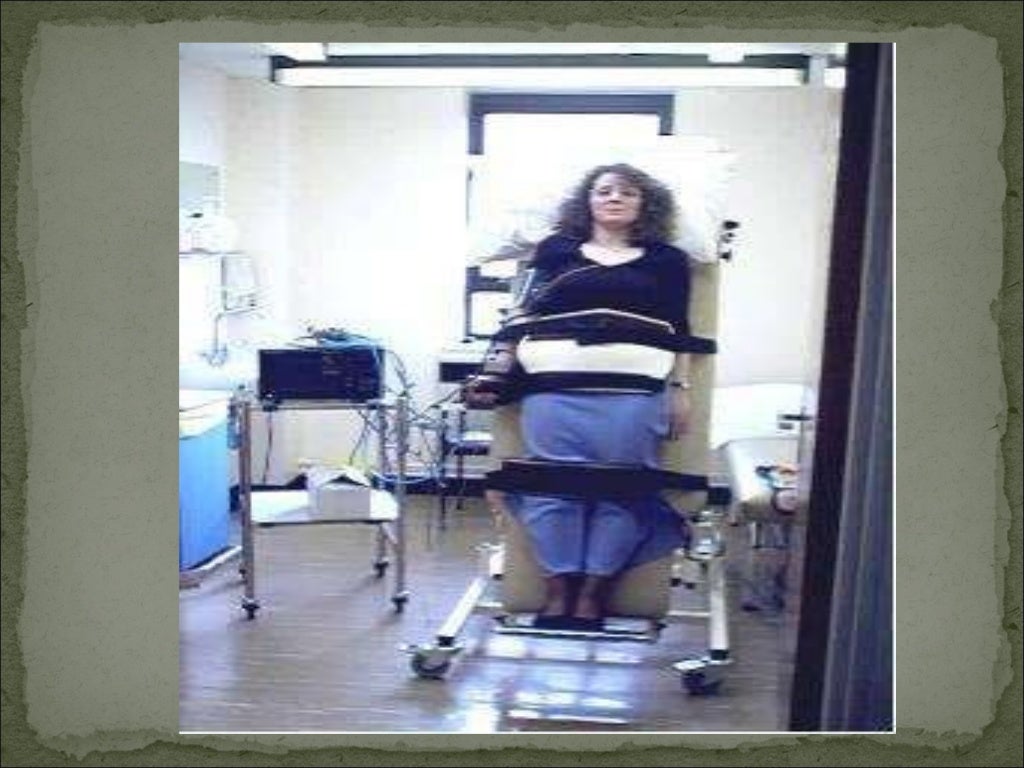
Do not eat or drink anything for at least four hours prior to your tilt table test. Check with your physician to determine if any of your medications should be avoided for the days leading up to your scheduled test. Make sure to bring all of your medications, as well as any herbal or dietary supplements and over-the-counter medications, to the test with you. The table will then be slowly tilted to a standing position, with your head up. Since you are strapped in, you will be supported in this position.
The major neurotransmitter of this system is norepinephrine, a catecholamine. Therefore, the catecholamine test can assess levels of sympathetic activity in a variety of situations. It is common to use an IV for blood draws to prevent distress at the time of the reading, as this would skew the results. Blood will be drawn after the patient has been horizontal for minutes, and then again after being tilted to a standing position. Treatment for orthostatic hypotension is directed at the cause rather than the low blood pressure itself.

Small discs with wires are attached to your chest and are connected to an ECG machine to track your heartbeat. The results of a tilt table test are based on whether you faint during the test and what happens to your blood pressure and heart rate. You're then moved to a nearly vertical position, where you'll remain from 5 to 45 minutes, depending on the reason for the test.
You should start to feel normal again within 15 minutes of the test concluding, but you will remain tired. Follow the technologist’s instructions closely and make sure to hold completely still. If you feel very uncomfortable and cannot go on during the test, it will be stopped.

Once getting on the table you will be strapped in for your safety so that you do not fall off the table. You’ll go from a vertical position to about a 70 degree tilted position. It’s during this phase that POTS symptoms generally appear.
You can also have another person record those numbers and help time it. If your heart rate goes up 30 beats per minutes over the next minutes, you may have POTS. A person experiences syncope when there is reduced blood flow to their brain. This causes loss of consciousness and loss of postural control. A tilt table test can sometimes determine the underlying cause of syncope.


No comments:
Post a Comment