Table Of Content
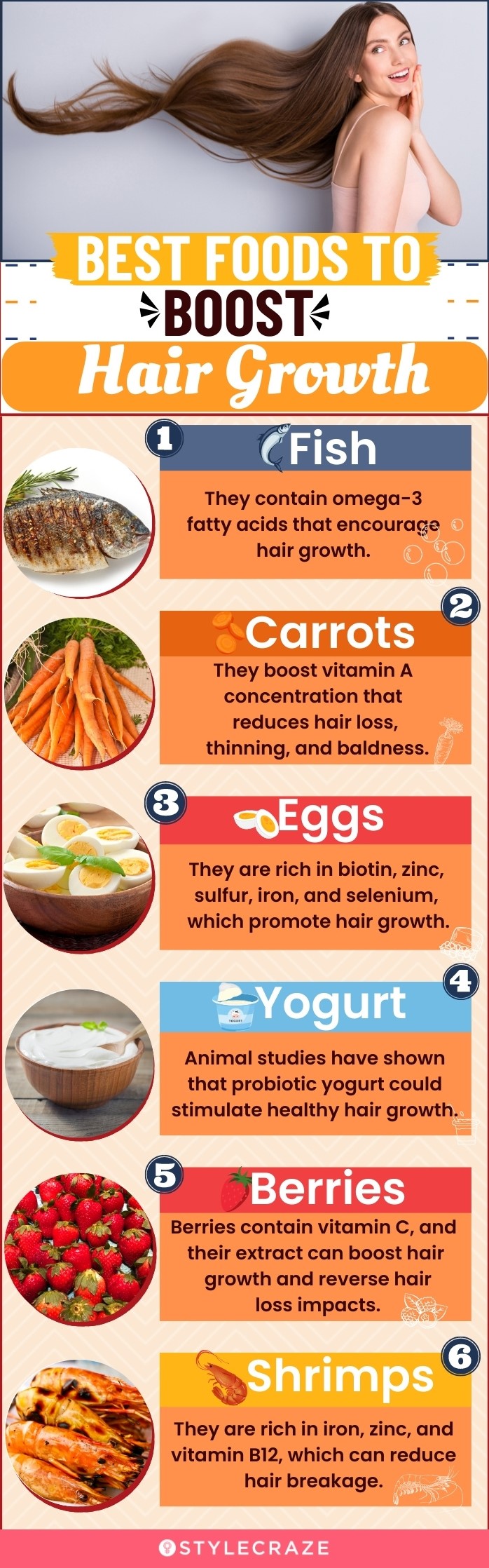
A deficiency may impact normal function and contribute to hair loss. Nuts and seeds are rich in vitamin E, vitamin B, zinc, and healthy fats. Just one ounce (23 almonds) provides 7.3 milligrams of vitamin E, 48% of your daily requirement. Some studies suggest vitamin E may promote hair health by protecting hair follicle cells against oxidative damage. Foods high in protein, omega-3 fatty acids, iron, fat-soluble vitamins, and B-complex vitamins aid hair growth.
Chickpeas, Lentils, Beans and Peas
Studies show that reduced protein intake can trigger telogen effluvium and cause poor hair growth. Magnesium is a mineral that plays an important role in the body’s stress response and protects the body from the adverse effects of stress. Having suboptimal or deficient magnesium levels can increase your susceptibility to stress, which may negatively impact hair growth.
What are the benefits of biotin?
Legumes (aka beans and lentils) are saturated with hair-improving vitamins and minerals like zinc, iron, and, most importantly, biotin. "Biotin strengthens the structure of keratin, which makes up the hair, skin, and nails," notes St. Surin-Lord. "It makes hair stronger, more resistant to breakage, and thicker in appearance." Legumes are a great source of protein—especially if you're vegetarian or vegan. We cut harmful chemicals out of our hair care products, get regular trims, and regularly stimulate our scalp, yet sometimes it feels like our strands have been stuck at the same length for years. According to board-certified dermatologist Sharleen St. Surin-Lord, our bodies require a diet high in plant-based foods, fiber, antioxidants, and protein for optimal hair growth. Oxidative stress plays a role in premature hair loss and can negatively impact hair health.
Eggs
5 foods to help prevent hair fall - Hindustan Times
5 foods to help prevent hair fall.
Posted: Thu, 23 Nov 2023 08:00:00 GMT [source]
Vitamin E has powerful antioxidant activity and may help promote hair health by protecting hair follicle cells against oxidative damage, which is known to disrupt hair growth. Look for foods rich in "fat-soluble vitamins, B-complex vitamins, omega-3 fatty acids, and iron to support hair health," says Valerie Agyeman, RD, dietitian and host of women's health podcast Flourish Heights. Incorporating these nutrients into your diet can improve hair loss symptoms in certain cases, per a review of studies published in the journal Dermatology and Therapy. Deficiencies in protein, minerals, fatty acids, and vitamins can lead to hair loss, found a study published in Dermatology Practical & Conceptual and a review in Dermatologic Clinics. Rather, eating a balanced, nutritious diet that provides the necessary macro and micronutrients can help hair growth. This includes protein sources like fatty fish and red meat and plant foods high in vitamins and other nutrients like spinach, seeds, and nuts.
Fatty Fish
Your hair follicles are constantly moving through different phases of growth, shedding, and rest. For follicles to continue developing and growing your hair, they need resources like protein, fats, vitamins, and minerals. Seeds are also high in antioxidants, which have hair-growth benefits. Oxidative stress may cause damage to skin cells on the scalp and cause hair loss, according to June 2009 research in the International Journal of Trichology. As the Journal of Dermatology study shows, fatty acids help with hair growth by reducing hair loss and improving texture and thickness. Running low on nutrients like zinc can have undesirable effects on hair growth and may lead to shedding.
Iron-Fortified Cereal to Prevent Loss
When the body’s antioxidant defenses become overwhelmed with high levels of reactive compounds such as free radicals, oxidative stress occurs, which can damage hair follicle cells. Lentils are one of the most protein-rich plant foods you can eat, providing 17.9 g of protein per cooked cup, which is nearly 30% more protein than what's found in two large eggs. Lentils are rich in the amino acids needed to support proper hair growth, including leucine, isoleucine, lysine, and valine. They also provide a variety of B vitamins, zinc, and essential fatty acids. Deficiency in any of these nutrients may contribute to hair loss (1). They are excellent sources of omega-3 fatty acids, which may support hair growth.
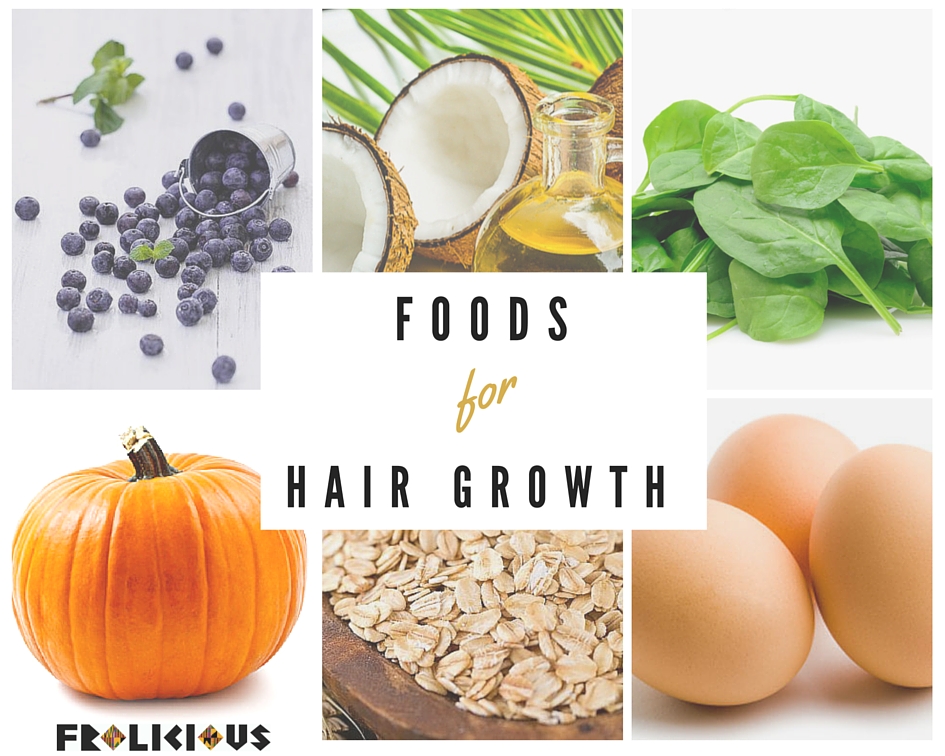
It could also be linked to “telogen effluvium,” the name for hair loss caused by a major life stressor, such as giving birth, a death in the family, a new job, or moving. These triggers will likely require a more multifaceted treatment approach. However, the quality, quantity, and growth of hair are also closely linked to the diet. This wholesome snack is good to reach for if you’re hoping to support healthy hair.
Beans and lentils are excellent sources of plant-based protein, B vitamins, zinc, iron, and folate. They belong to a group of plants called legumes, which are full of nutrients. They can be especially helpful for boosting the protein and zinc intake of people following vegetarian and vegan diets. The type of omega-3 fatty acids found in nuts is different from the types found in fatty fish.
Salmon and other oily fish pack hair-friendly omega-3 fatty acids like DHA and EPA. While research remains limited, some studies have helped define the link between omegas and hair growth. Several studies cite that having too much or too little selenium can lead to impairments of the hair follicle cycle. (This term describes the four stages of hair growth.) However, the good news is that most people get a balanced amount of selenium through food, and most aren’t at risk for getting too much of this mineral. While we don’t have much say when it comes to age or genetics, we can ensure that we’re eating the right types of foods to promote hair growth. But you can find this important nutrient in fortified cereal, grains, and pastas, and in soybeans and lentils.
Pumpkin seeds are a great source of the mineral, and according to St. Surin-Lord, are one of the best plant sources of omega-3 fatty acids, the anti-inflammatory type. High in protein, (healthy) fat, and zinc, chia seeds are another great addition to your diet if you're looking to maintain healthy hair growth. Plus, St. Surin-Lord says they're also high in antioxidants, which help combat premature signs of aging like hair loss. Throw a teaspoon into your morning smoothie or incorporate into overnight oats to meet your quota. To determine the best foods for hair growth and hair health, it's helpful to know which vitamins and nutrients are important for the hair growth process. For example, consuming foods high in vitamin C, E, D, biotin, and zinc all play a role in hair growth.
One 7-ounce avocado covers 41%, 28%, and 22%, of your daily needs for folate, vitamin E, and vitamin C, respectively. On top of all these benefits, beans are highly versatile and inexpensive, which makes them an easy addition to the diet. One yellow pepper provides up to 456% of the daily vitamin C needs of females and 380% for males (23, 24).
A single serving of sardines also has 25% of the recommended daily value of iron, a mineral important for preventing hair loss. Try adding sardines to salads, stews and spreads as a lower-mercury alternative to other fatty fish. “Most adults can get all the omega-3 fatty acids they need by eating just two servings of salmon weekly,” says Yawitz. Iron deficiency, which is the most common nutrient deficiency worldwide, can cause hair loss.
Berries like strawberries, raspberries, and blueberries, are loaded with micronutrients and antioxidants. For example, vitamin C is a powerful antioxidant found in berries and citrus fruits. Eggs are also a good source of other nutrients like selenium, zinc, B vitamins, and vitamins A, D, E, and K. If you're not getting the luxurious va-va-voom effect you want, you may be looking for ways to increase the thickness of your hair. For the most part, hair thickness is determined by genetics, according to the U.S.
"In addition to being necessary for collagen production, vitamin C is also a potent antioxidant, which is necessary to fight off free radicals," says St. Surin-Lord. "Vitamin C also enhances iron absorption, and iron is important in maintaining hair health as it is a co-factor for DNA and it delivers oxygen to tissues." Vitamin C functions as a powerful antioxidant in the body and may help protect the hair follicle against oxidative stress.


No comments:
Post a Comment